Lower back pain from sitting all day: what actually helps
Long hours at a desk are a common trigger for lower back pain. The fix is rarely the perfect chair. It is movement, strength and a few simple changes.
- Written by
- Livewell specialist (placeholder)
- Published
- Reading time
- 2 min
Sample article. This article has not been reviewed by a Livewell clinician yet.
The short answer
Back pain from desk work is usually mechanical and settles with movement, regular breaks and strengthening, not rest. See a specialist if it lasts more than six weeks, spreads down the leg, or comes with numbness or weakness.
Most lower back pain in office workers is not caused by damage. It comes from sustained positions: the spine and its muscles are built to move, and hours in one posture leave them stiff and sensitive.
Small changes that make a real difference
- Change position every 30 to 45 minutes. Stand, walk to fetch water, or take calls on your feet. The best posture is the next one.
- Set up the screen at eye level and keep the keyboard close, so you are not reaching forward for hours.
- Sit back in the chair with your feet flat. A small cushion or rolled towel behind the lower back can help.
- Walk every day. Regular walking is one of the most reliable ways to reduce back pain.
Why rest usually makes it worse
Bed rest and avoiding activity tend to prolong back pain. Staying gently active, within comfort, helps most episodes settle within a few weeks.
When to get it assessed
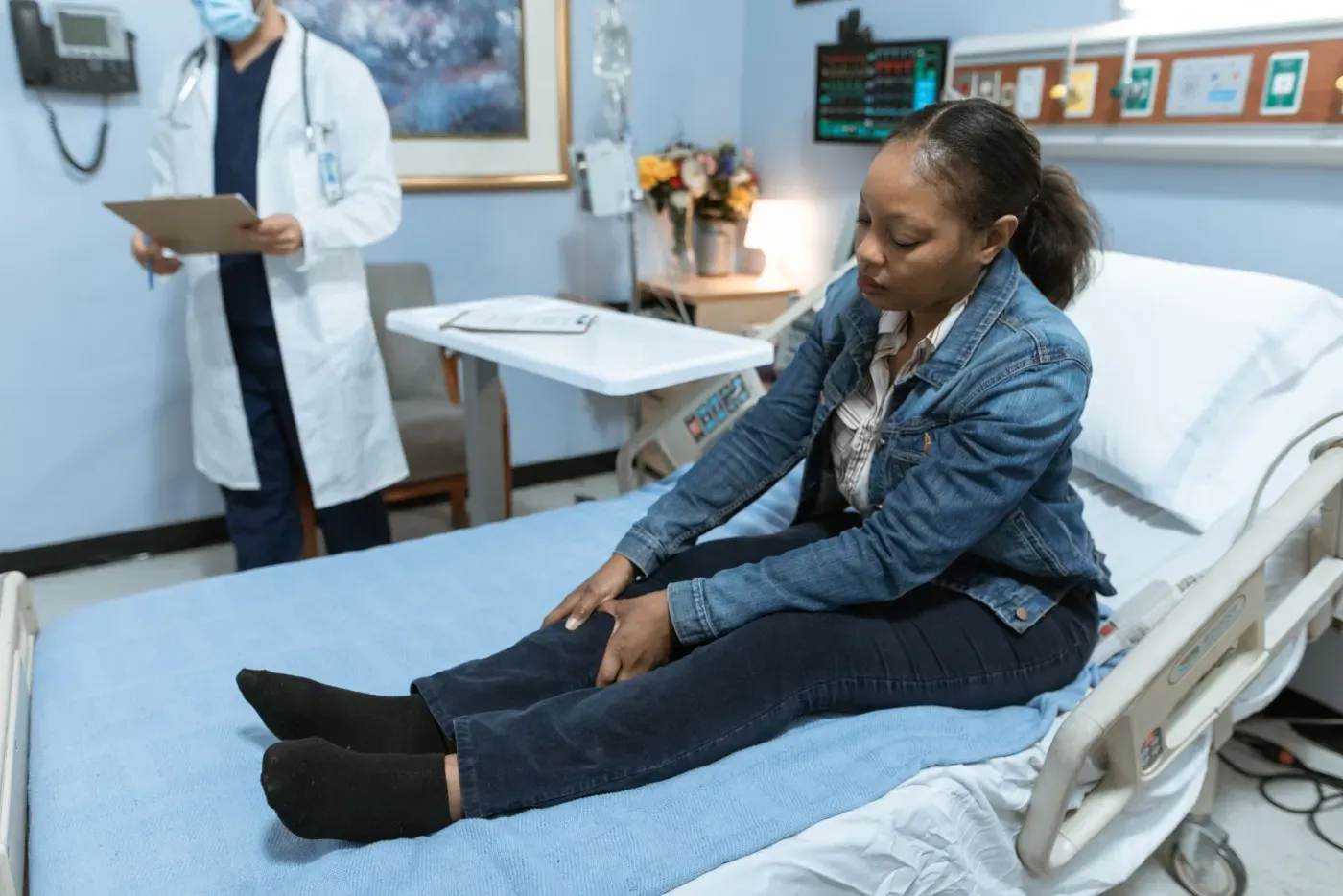
Book a specialist assessment if pain lasts more than six weeks, keeps coming back, or travels down the leg below the knee (sciatica). A thorough examination identifies the source and rules out nerve involvement. Treatment is usually a targeted physiotherapy and exercise programme. Surgery is only considered for specific problems, such as a disc pressing on a nerve that has not improved.
Get medical help urgently if
- Loss of control of your bladder or bowels
- Numbness around your genitals or back passage
- Weakness in both legs, or weakness that is getting worse
- Back pain with fever, or after a serious fall or accident
Go to the nearest hospital emergency department. Do not wait for a clinic appointment.
This article is general information, not a diagnosis. For advice about your own symptoms, book a consultation with a specialist.